
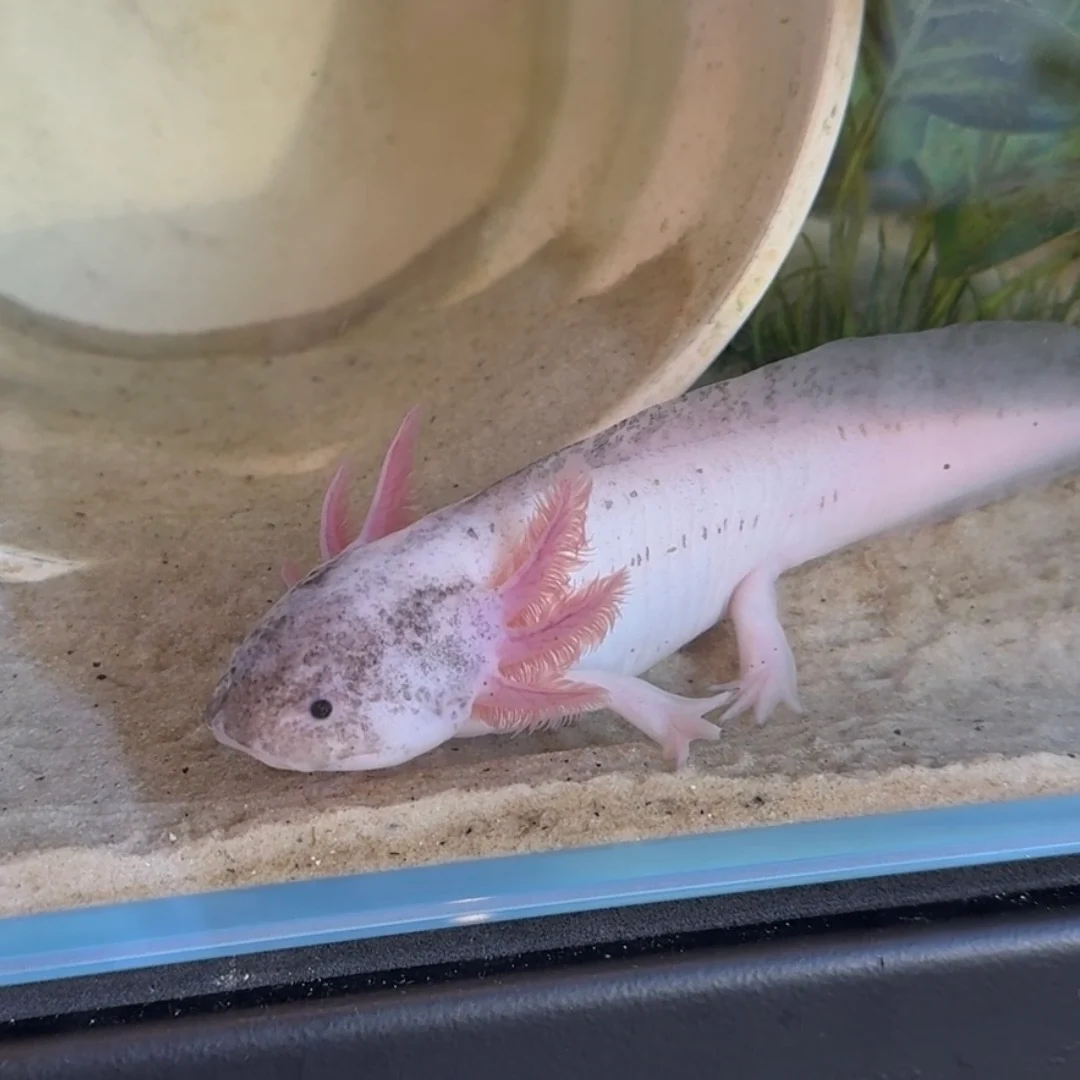
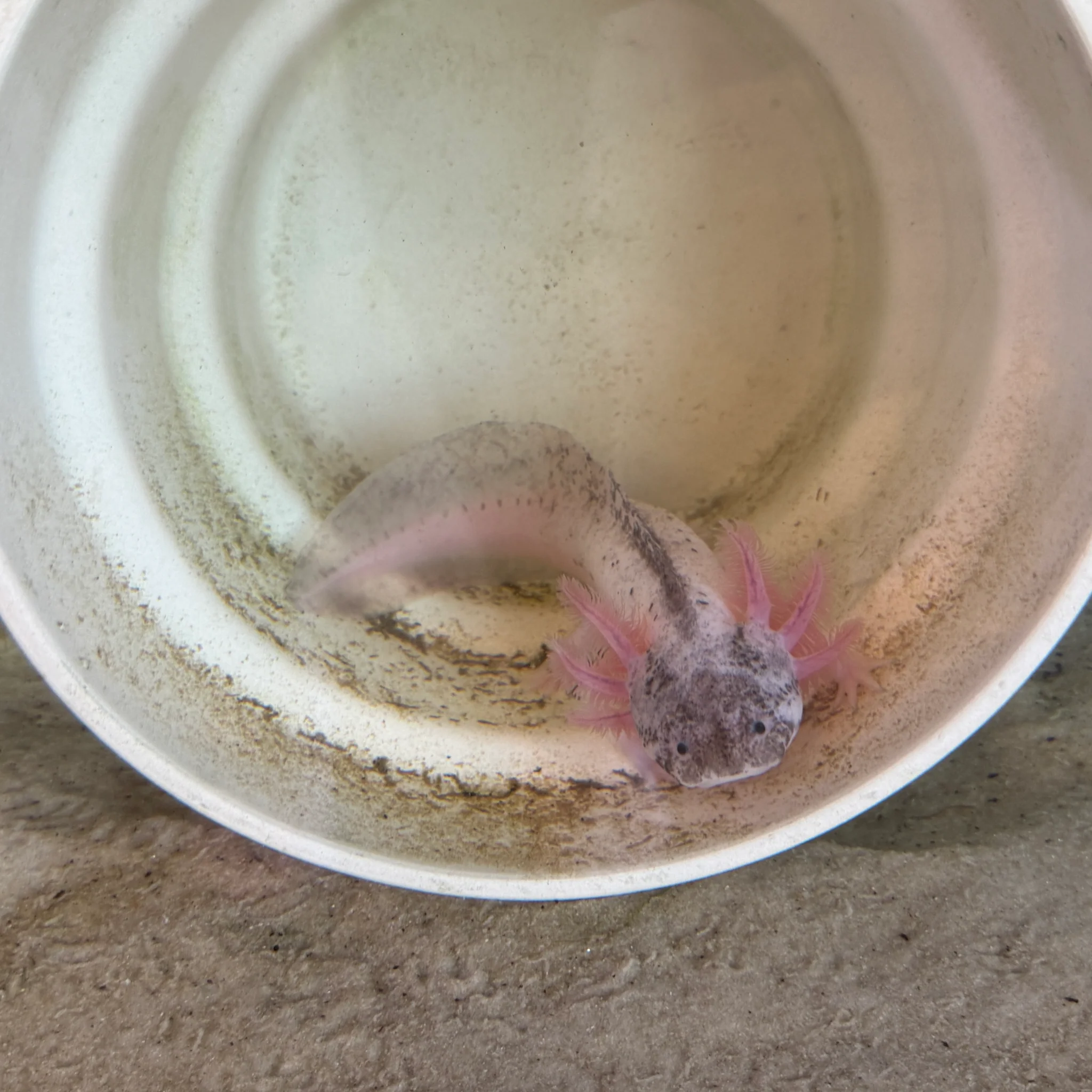
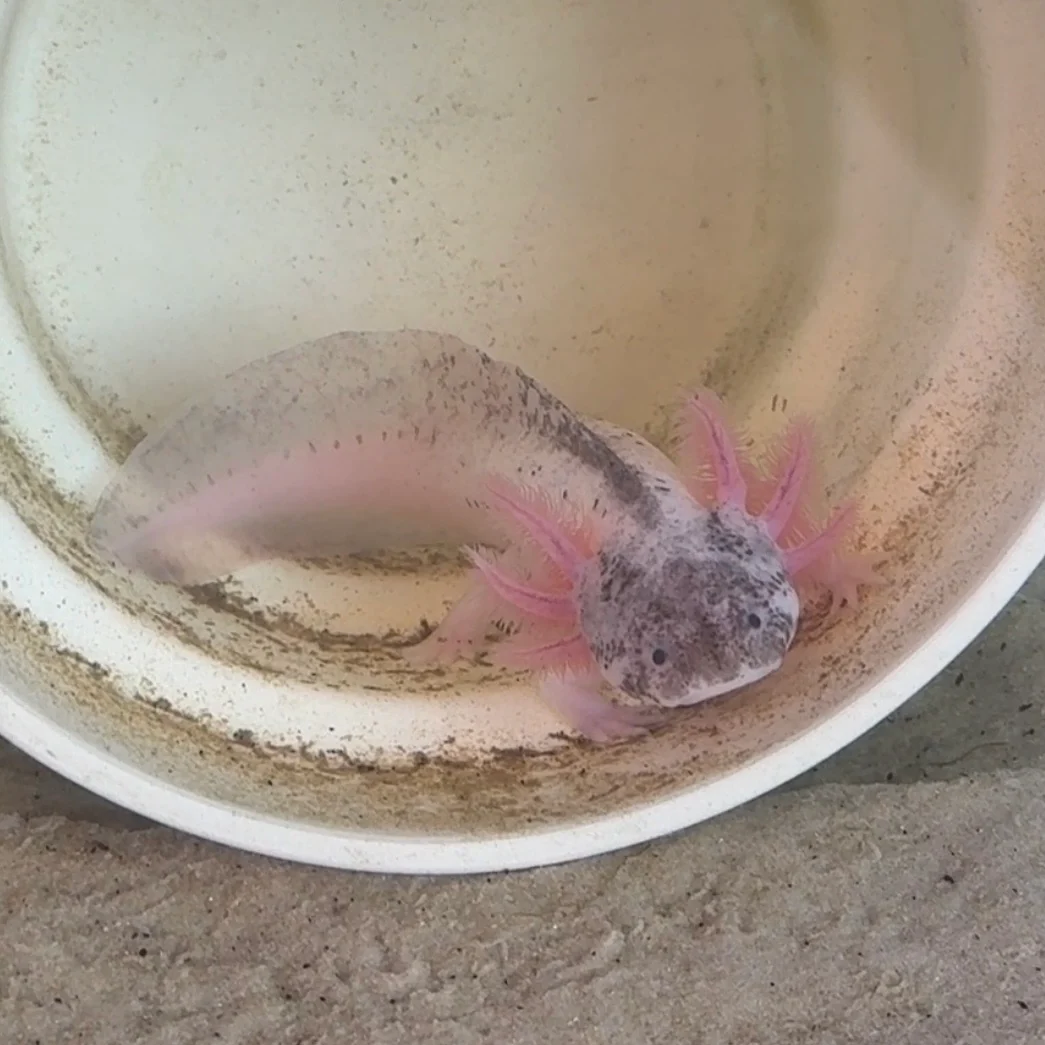
Rare Fauna currently features a captive-bred axolotl (Ambystoma mexicanum) available for immediate placement. Raised in aquatic laboratory facilities under biosecurity protocols, this specimen is described as structurally healthy, active during feeding, and equipped with well-developed external gill frills.
The axolotl has been raised under professional medical oversight and requires a fully prepared indoor aquatic habitat before delivery. Its placement is intended for an owner who can maintain cool, stable water, monitor chemistry consistently, provide a safe substrate, and arrange timely aquatic-animal veterinary care.

Cool Water Requirements: 60°F to 68°F
Axolotls require cool water maintained between 60°F and 68°F, or approximately 15°C to 20°C. Stable temperature is essential because excessive heat can increase physiological stress, suppress normal activity, and contribute to health problems.
Set up and test the aquarium before the axolotl arrives. Use a reliable thermometer and monitor the temperature during daily fluctuations, seasonal changes, and power interruptions. Avoid placing the aquarium in direct sunlight or near radiators, heating vents, and other heat sources.
If cooling equipment is required, introduce it gradually and prevent sudden temperature changes. Temperature stability is more important than repeatedly making large corrections after the water becomes too warm.

Bare-Bottom or Ultra-Fine Sand Substrate
The aquarium should use a bare bottom or an ultra-fine sand substrate. Gravel, coarse stones, decorative pebbles, and other materials that can fit into the axolotl’s mouth create a serious risk of accidental ingestion and intestinal impaction.
If sand is used, choose a very fine aquatic product, rinse it thoroughly according to the manufacturer’s instructions, and maintain adequate depth and cleanliness. Remove sharp décor and inspect caves, hides, and ornaments for rough edges that could damage the axolotl’s skin or delicate gills.
A bare-bottom setup can simplify waste removal and make it easier to monitor feeding and water quality. Whichever safe substrate is selected, keep the tank free of loose objects that the axolotl could swallow.

Fully Cycled Aquarium Before Arrival
The axolotl must be introduced into a fully cycled aquarium. Biological filtration should be established before transport so beneficial bacteria can process toxic ammonia and nitrite and support stable water conditions.
Test the aquarium’s water routinely using a reliable freshwater test kit. Monitor ammonia, nitrite, nitrate, pH, temperature, and any additional parameters recommended by the aquatic veterinarian or facility. Never place the axolotl into an uncycled aquarium simply because the water appears visually clear.
Prepare replacement water in advance and use a suitable conditioner when required. Water changes should be performed with temperature-matched water to avoid abrupt environmental shifts.
Low-Flow Multi-Stage Filtration
Axolotls require clean water but can become stressed by harsh currents. Use a low-flow, multi-stage filtration system that provides mechanical and biological filtration without creating forceful movement across the aquarium.
Direct filter output against the glass, use a flow diffuser, or add a suitable baffle if necessary. Observe the axolotl’s posture and behavior: persistent struggling, floating, hiding from the current, or constantly pressed against the tank wall may indicate excessive flow or another environmental problem.
Clean filter media according to the manufacturer’s guidance while preserving beneficial biological activity. Do not replace all biological media at once unless directed by a professional, because this can destabilize the aquarium’s nitrogen cycle.
High-Protein Worms and Pellets
The supplied dietary plan calls for high-protein live worms and species-appropriate pellets to support the axolotl’s carnivorous nutritional needs, growth, and gill condition. Food must be appropriately sized for the individual specimen and offered in a way that minimizes substrate ingestion.
Use clean, responsibly sourced feeder organisms and follow the facility’s current feeding schedule during the transition. Remove uneaten food promptly so it does not decay and compromise water quality.
Monitor appetite, swallowing, body condition, stool production, activity, and the appearance of the external gills. Do not introduce unfamiliar feeder species or supplements without guidance from an aquatic-animal veterinarian.
External Gill and Structural Health Monitoring
Axolotls’ external gill frills are sensitive indicators of environmental and physical stress. Observe the gills regularly for changes in color, posture, size, damage, or unusual curling, and check the skin for lesions, abrasions, fungus-like growth, or other abnormalities.
Avoid handling the axolotl unless necessary. If movement is required, use a smooth, appropriately sized container rather than a coarse net that could catch the gills or damage the skin. Keep hands, equipment, and maintenance tools free of soaps, lotions, and chemical residues.
Any significant change in appetite, buoyancy, skin, gills, waste, or activity should be discussed promptly with a veterinarian experienced in amphibian or aquatic-animal medicine.
Aquarium Layout and Low-Stress Hiding Areas
Provide smooth-sided hides and shaded resting areas so the axolotl can retreat from light and household activity. Avoid sharp plastic, rough ceramic, unfinished ornaments, and narrow structures where the animal could become trapped.
Keep lighting subdued and establish a predictable day-night routine. Axolotls are often more active during lower-light periods, so observe feeding and movement without using intense lighting for prolonged periods.
Do not overcrowd the aquarium. The available specimen should have sufficient floor space to turn, rest, forage, and move without constant contact with décor or filtration equipment.
Legal and Destination Requirements
Axolotl ownership and transport rules vary by state, region, and municipality. The source placement policy states that transit is blocked to jurisdictions where possession is restricted or prohibited, including California, New Jersey, Maine, and Virginia.
Because regulations can change and may differ by locality, prospective owners should independently confirm current possession, import, transport, and permit requirements with the relevant wildlife or environmental authority before applying. Do not arrange shipment until the destination has been verified as compliant.
Veterinary Examination and Health Guarantee
The axolotl must be checked by a licensed veterinarian within 48 hours of arrival. Arrange the appointment before delivery and confirm that the veterinarian has experience with amphibians or aquatic exotic species.
The initial examination should review the specimen’s condition, gills, skin, body weight, feeding history, water parameters, parasite concerns, and acclimation plan. Bring or record the aquarium’s recent temperature and water-quality readings so the veterinarian can evaluate the habitat as well as the animal.
The 48-hour examination is also required to maintain the validity of Rare Fauna’s comprehensive health guarantee. Review the written guarantee before placement, including its coverage period, exclusions, required records, notification deadlines, and process for reporting a concern.
Oxygen-Injected and Insulated Shipping
Rare Fauna states that aquatic placements are shipped in secure, oxygen-injected packaging housed inside insulated Styrofoam chambers. This packaging is intended to protect the axolotl from temperature fluctuations and maintain adequate oxygen during overnight transit.
Prepare the aquarium before shipment and keep the receiving area quiet. On arrival, inspect the package, acclimate the axolotl according to the facility’s written instructions, and avoid releasing transport water into the aquarium unless a qualified professional specifically advises it.
Retain all health and transport documents, record the arrival condition, and monitor the axolotl closely during the first 24 hours for changes in breathing, buoyancy, gill position, skin condition, appetite, and activity.
Rare Fauna Aquatic Placement Process
All aquatic placements from Rare Fauna undergo pre-shipment veterinary wellness checks and are prepared for delivery to compliant destinations. The facility coordinates transport through a vetted live-animal network and prepares the shipping documentation required for permitted destinations.
Before applying, prospective owners should have the aquarium fully cycled, verify the 60°F to 68°F temperature range, install low-flow filtration, select bare-bottom or ultra-fine sand substrate, prepare the feeding plan, identify an amphibian-experienced veterinarian, and confirm local possession rules.
Apply to Reserve the Axolotl
This axolotl placement is intended for an owner prepared to manage cool-water chemistry, prevent substrate ingestion, maintain low-flow filtration, monitor external gills, and provide species-appropriate nutrition. Confirm local legality, complete the aquarium cycle, schedule the 48-hour veterinary examination, review the written health guarantee, and confirm oxygenated overnight transport before submitting an application.
APPLICATION FORM


Reviews
There are no reviews yet.