
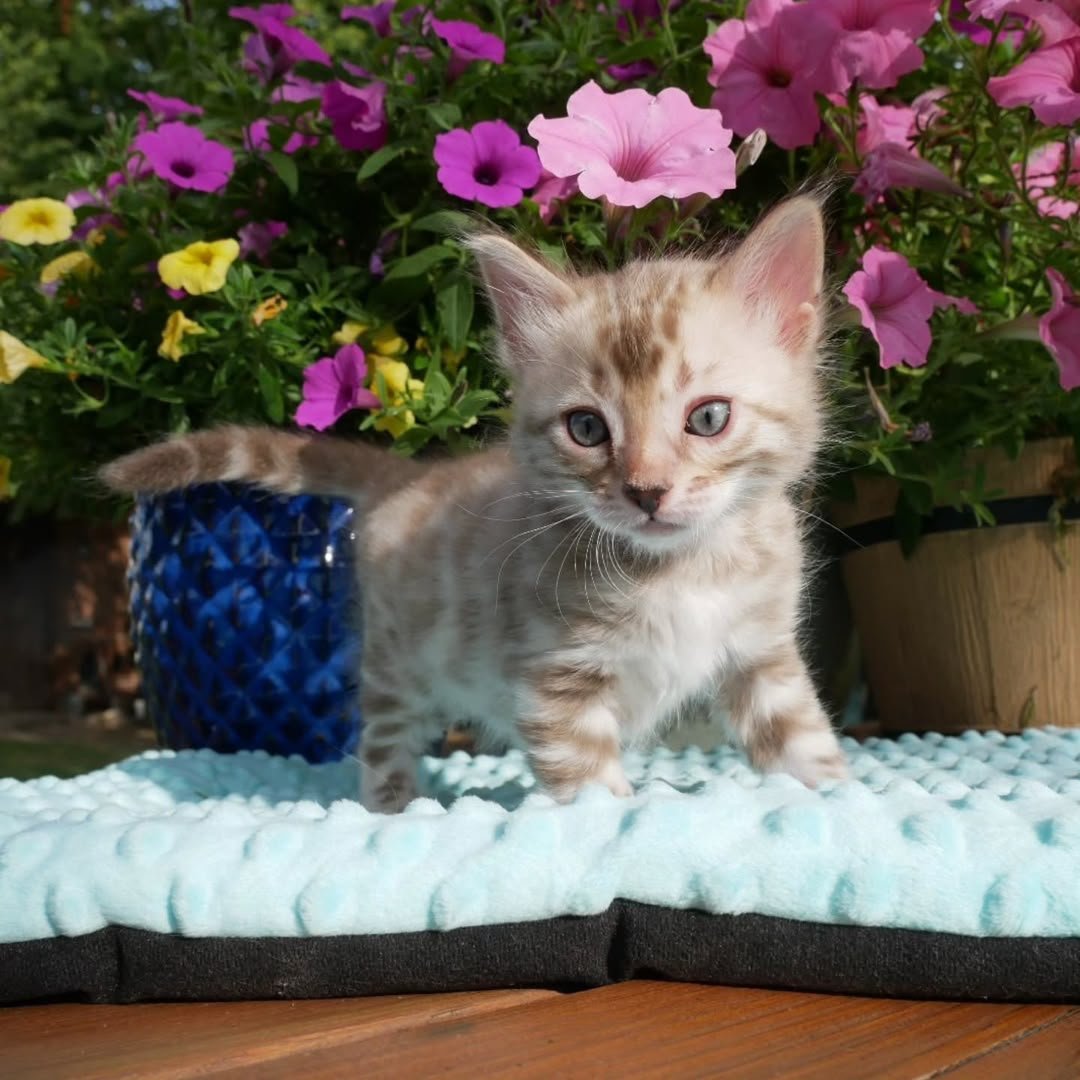
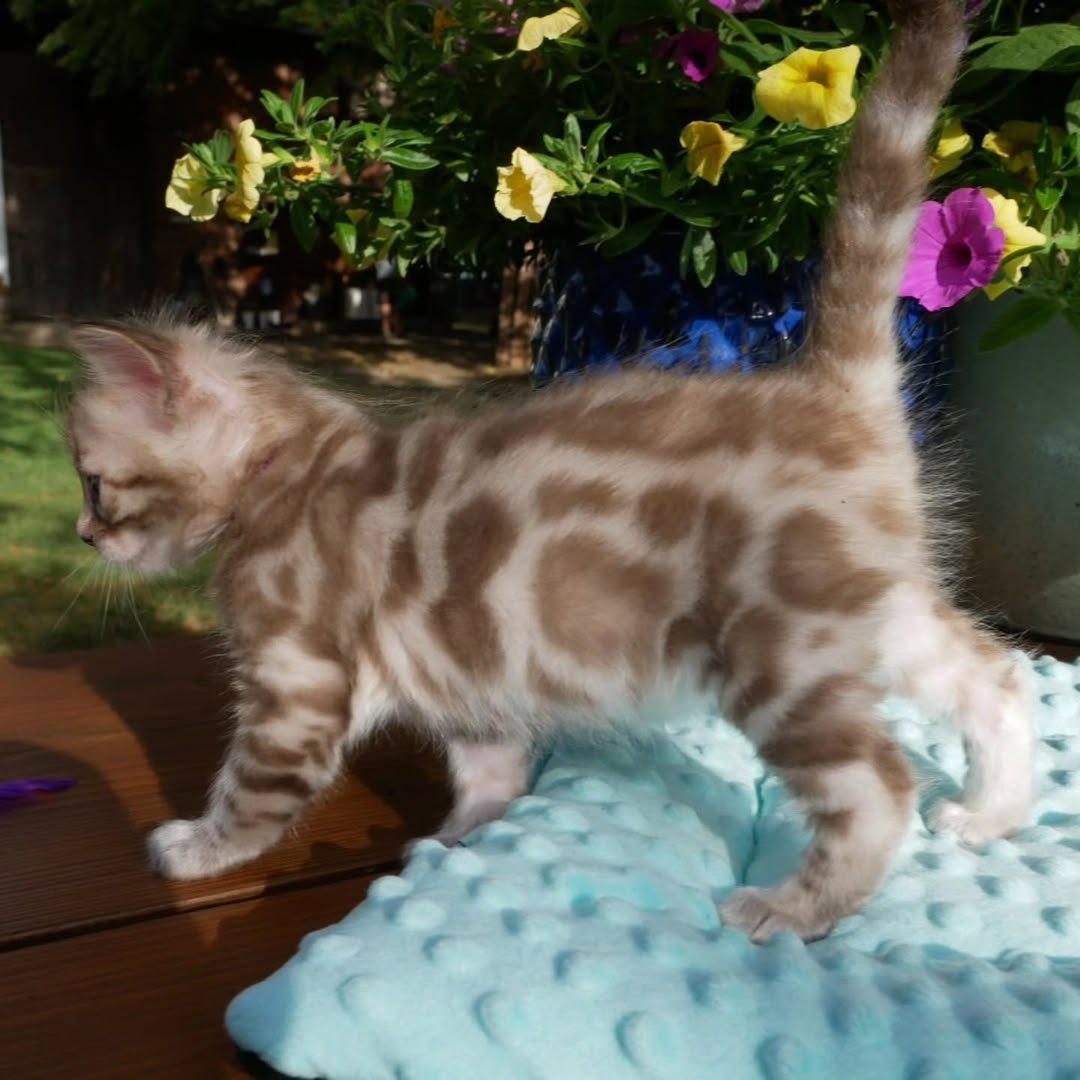

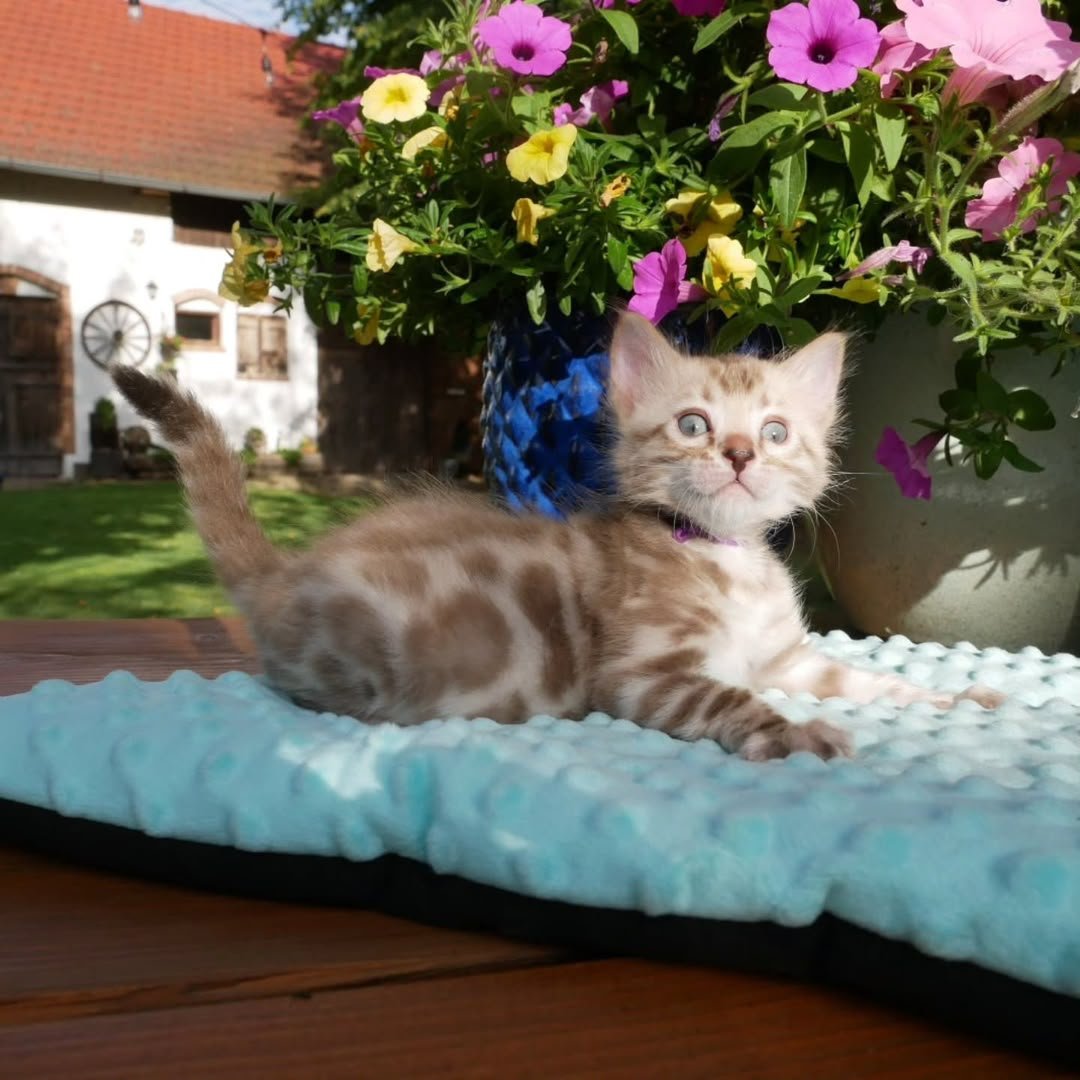

Rare Fauna currently has a hand-raised, 10-week-old male Bengal Cat named Leo available for legal home placement. Leo is described as an athletic, highly active kitten with a leopard-like appearance, defined rosettes, a short pelt-like coat, muscular structure, and distinctive large eyes.
He is litter-box compliant and socialized to active domestic environments. Leo’s placement includes a pre-shipment veterinary check and the facility’s written health guarantee, subject to its stated conditions. His new home must be prepared for a highly intelligent, energetic cat that needs daily interaction, secure climbing space, and substantial indoor enrichment.
Leo: Socialized Bengal Cat Kitten
Leo’s socialization around household activity gives him a foundation for adapting to a new family, but his transition should still be gradual. Begin with a quiet, secure room containing food, water, bedding, a litter box, scratching surfaces, climbing opportunities, and safe toys.
Once Leo is eating, using the litter box, and settling comfortably, introduce additional rooms, household sounds, visitors, and other pets under supervision. Bengal Cats often seek active engagement, so a predictable routine that includes play, training, feeding, and rest can help channel their energy.

Bengal Cat Size and Athletic Development
Male Bengal Cats can develop a lean, muscular frame during their first two years. Leo may eventually reach an approximate adult weight of 11 to 15 pounds, although final size depends on genetics, nutrition, health, and individual development.
His adult strength and athletic ability make stable, reinforced furniture important. Choose cat trees, shelves, exercise equipment, and carriers that can support his mature weight and rapid movement.
Indoor Habitat for a High-Energy Bengal
Leo should live indoors in a secure, stimulating environment. Provide expansive climbing shelves, reinforced cat trees, elevated resting areas, protected window perches, and enclosed spaces where he can retreat when he wants quiet.
An exercise wheel may provide an additional outlet for energy if it is a wide, stable model designed for cats and introduced gradually under supervision. The wheel should be positioned on a non-slip surface and checked regularly for safe operation.
Secure windows, balconies, doors, and other escape routes. A curious Bengal Cat can move quickly through an opening, and an outdoor environment exposes him to traffic, unfamiliar animals, toxins, disease, and other hazards.

Interactive Play and Predatory Enrichment
Bengal Cats are intelligent and often highly motivated by movement, stalking, chasing, and problem-solving. Leo should receive daily interactive play rather than relying only on stationary toys.
Use supervised wand play, chase toys, puzzle feeders, scent-based games, clicker training, and short retrieval sessions. Rotate toys to maintain interest and inspect them for loose strings, feathers, or small parts. Store string-based toys away after supervised play.
Create a clear routine that includes energetic play followed by food or a quiet rest period. This can help provide a structured outlet for hunting-style behavior and reduce boredom-related activity.
High-Protein Nutrition for Muscle and Coat Condition
Leo’s feeding plan should use a complete, balanced kitten diet with appropriate protein, essential amino acids, fats, vitamins, minerals, and taurine. A high-quality diet supports lean muscle development and the health of his short, sleek, glittered coat.
Feed according to age, activity, body condition, and veterinary advice. Provide fresh water at all times and monitor weight, stool quality, appetite, and energy. Do not add raw meat, supplements, or concentrated nutrients without professional guidance; an unbalanced diet can harm a growing kitten.
Bengal Coat Care and Routine Grooming
Leo’s short, pelt-like coat is generally easier to maintain than a long-haired breed’s coat. A regular soft brushing routine can remove loose hair, distribute natural oils, and give the owner an opportunity to inspect the skin.
Introduce grooming gradually and keep sessions brief and positive. Check the coat and skin for irritation, parasites, bald patches, or unusual changes. Grooming should complement—not replace—routine veterinary care.
Scratching, Climbing, and Household Protection
Provide heavy-duty scratching surfaces before Leo arrives. Use sturdy vertical posts covered with natural sisal rope, along with horizontal scratchers if he prefers to scratch near the floor. Place them near sleeping areas, climbing zones, and household transition points.
Anchor tall cat trees and shelves securely. Keep fragile objects, loose cords, toxic plants, and breakable items away from Leo’s climbing and play areas. Redirect unwanted scratching or climbing calmly to an appropriate surface instead of punishing normal behavior.
Check his claws regularly and ask the veterinarian to demonstrate safe trimming if necessary.
Veterinary Examination and Health Guarantee Requirements
Leo must receive a checkup from a licensed veterinarian within 48 hours of arrival following climate-controlled live-animal transport. Arrange the appointment before delivery and confirm that the clinic accepts new kittens and provides ongoing feline preventive care.
The initial examination should establish Leo’s medical record and review his health certificate, vaccination history, parasite prevention, nutrition, dental development, body condition, and future sterilization recommendations where applicable.
The 48-hour examination is also required to maintain the validity of Rare Fauna’s comprehensive health guarantee. Before completing placement, review the written guarantee carefully, including its coverage period, exclusions, required veterinary documentation, notification deadlines, and process for reporting a concern.
Climate-Controlled Live-Animal Transport
Rare Fauna coordinates placements through a vetted, climate-controlled live-animal transport network. The delivery schedule should account for Leo’s age, weather conditions, route length, feeding and hydration needs, and the deadline for his post-arrival veterinary examination.
Prepare a secure receiving room with food, water, bedding, a litter box, scratching material, climbing access, and safe enrichment. Keep Leo separated from other pets until the veterinarian completes the initial examination and recommends a gradual introduction plan.
Inspect the carrier and kitten calmly upon arrival, retain all health and transport documents, and monitor eating, drinking, litter-box use, energy, and behavior during the first day.
Rare Fauna Placement and Compliance Process
All Rare Fauna placements undergo pre-shipment veterinary wellness checks and preparation of mandatory state health certificates where required. The facility coordinates delivery to compliant destinations through its placement and transport procedures.
Before applying, prospective owners should confirm that they can provide secure indoor housing, daily interactive play, substantial climbing space, stable scratching surfaces, a complete kitten diet, safe enrichment, and timely veterinary care. Buyers should also verify any local animal-keeping or transport requirements that apply to their address.
Apply to Reserve Leo
Leo’s placement is intended for a buyer prepared for the high activity level, intelligence, athleticism, and long-term care needs of a Bengal Cat. Arrange the 48-hour veterinary appointment, prepare his climbing and enrichment environment, review the written health guarantee, and confirm the transport terms before submitting an application.
To begin the placement process, complete the secure application with Rare Fauna and wait for destination and delivery approval before arranging transport.
APPLICATION FORM




Reviews
There are no reviews yet.