
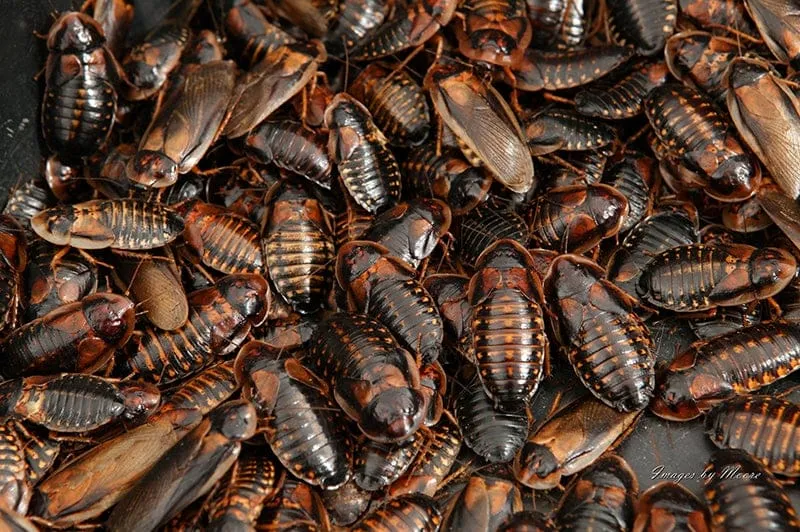
Rare Fauna currently offers high-protein, gut-loaded live Dubia roaches (Blaptica dubia) for exotic-pet feeding programs. The feeder colonies are raised in an isolated, biosecure insectary and maintained under controlled cleanliness protocols.
The roaches are fed a nutrient-dense diet before shipment so they can provide a concentrated food source for insectivorous reptiles, amphibians, mammals, and other exotic animals. Each shipment is prepared according to the selected feeder size and the buyer’s intended animal compatibility.

Biosecure Dubia Roach Colony Standards
Rare Fauna maintains its feeder colonies in a controlled insectary rather than collecting insects from the wild. The facility states that its roaches are raised under cleanliness protocols and prepared to be free from wild parasites or unwanted pests.
A clean feeder colony still requires responsible handling after delivery. Keep the insects separate from household food, use dedicated containers and tools, remove dead specimens promptly, and follow the facility’s storage instructions to reduce contamination risks.
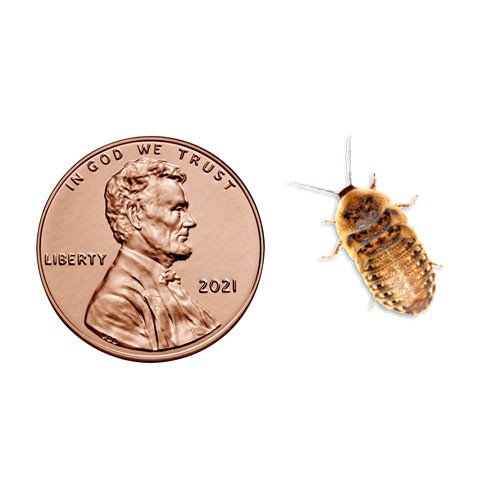
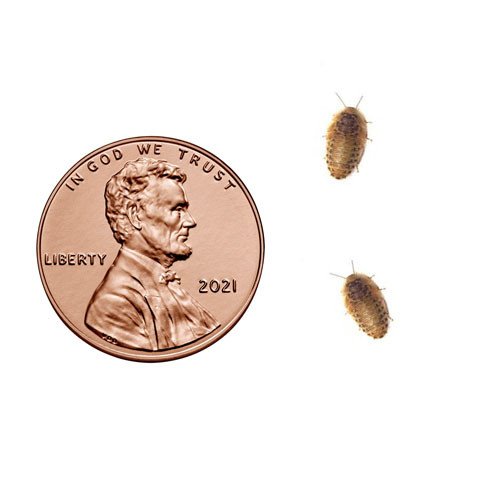
Small Dubia Roaches: 6mm Feeders
Small Dubia roaches measure approximately 6mm, or about one-quarter inch. Their compact size makes them suitable for animals that cannot safely consume larger prey.
Potential applications include small reptiles, froglets, spiderlings, and young axolotl kits. Select prey that is appropriately sized for the animal’s mouth and digestive capacity, and supervise feeding according to the species’ normal care requirements.

Medium Dubia Roaches: 19mm Feeders
Medium Dubia roaches measure approximately 19mm, or about three-quarters of an inch. They are intended for growing animals that have moved beyond the smallest feeder stage but are not yet ready for large prey.
This size is suited to growing bearded dragons, geckos, and medium-sized insectivorous mammals. Consider the individual animal’s age, head size, feeding response, and veterinary guidance before selecting a regular feeder size.

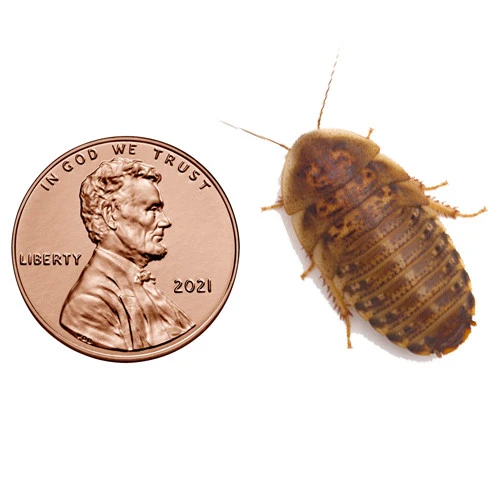
Large Dubia Roaches: 20–25mm Feeders
Large Dubia roaches measure approximately 20 to 25mm, or about one inch. They are designed for larger exotic animals with the jaw size and feeding behavior needed to handle substantial prey.
Potential applications include adult monitor lizards, large chameleons, mature insectivorous canids, and primate foraging programs. Large prey should be offered carefully, and keepers should avoid feeding insects that are too large for the individual animal to swallow safely.

Dubia Roach Size Selection Guide
|
Feeder size
|
Approximate dimensions
|
Suitable applications
|
|
Small Dubia
|
6mm / approximately 1/4 inch
|
Small reptiles, froglets, spiderlings, and young axolotl kits
|
|
Medium Dubia
|
19mm / approximately 3/4 inch
|
Growing bearded dragons, geckos, and medium-sized insectivorous mammals
|
|
Large Dubia
|
20–25mm / approximately 1 inch
|
Adult monitors, large chameleons, mature insectivorous canids, and primate foraging
|
Twenty-Four-Hour Gut-Loading Protocol
Rare Fauna states that the live colonies are heavily gut-loaded for 24 hours before shipping. The insects receive high-calcium roach chow and vitamin-dense organic vegetables during this preparation period.
Gut-loading is intended to increase the nutritional value passed to the exotic animal at feeding time. It should complement, not replace, a species-appropriate diet and any calcium or vitamin supplementation plan recommended by a qualified exotic-animal veterinarian.
Because nutritional requirements vary significantly between reptiles, amphibians, mammals, and invertebrate-eating species, keepers should follow the feeding schedule and supplementation guidance established for the recipient animal.
Protein, Calcium, and Feeder Quality
Dubia roaches are marketed as a dense feeder option with a favorable meat-to-shell ratio compared with standard crickets. Rare Fauna presents its gut-loaded roaches as a source of protein and calcium for insectivorous exotic animals.
The actual nutritional contribution depends on the roach’s size, gut-load, maturity, quantity offered, and the recipient animal’s total diet. Rotate feeder insects where appropriate and monitor the animal’s body condition, appetite, stool, hydration, and growth.
Quiet, Flightless, and Containable Feeders
Dubia roaches are described as silent, unable to fly, and unable to climb smooth vertical surfaces. These characteristics can make them easier to contain than noisy or highly mobile feeder insects.
Use a secure, ventilated container with a smooth interior and an escape-resistant lid. Keep the container away from excessive heat, moisture, direct sunlight, and household food-preparation areas. Inspect the container regularly for damaged seams, loose lids, or pathways that could allow escape.
Do not release feeder insects outdoors. Handle them only in controlled areas and clean feeding tools after each use.
Storage and Feeding Preparation
Upon arrival, transfer or maintain the roaches in the ventilated containment system recommended by the facility. Provide the appropriate food and hydration source for the intended storage period, and remove spoiled vegetables or damp material before it creates excessive moisture or mold.
Before feeding, select roaches that are active and appropriately sized for the recipient animal. Remove uneaten insects from the enclosure when the animal’s care instructions require it, especially when the prey could stress, bite, or disturb the animal while it rests.
Keep feeder insects clearly labeled by size and store them separately from medications, supplements, bedding, and human food.
Biosecure Feeder Packaging and Live Arrival
Rare Fauna states that live feeder shipments travel in breathable, biosecure packaging designed to withstand seasonal transit conditions. The packaging should allow ventilation while protecting the colony from excessive temperature swings and crushing during delivery.
Open the shipment promptly in a controlled area, verify the selected size, inspect the colony, and follow the facility’s instructions for acclimation and storage. Record the delivery date and report unusual mortality, damaged packaging, or incorrect sizing through the seller’s stated support process.
Shipping and Destination Compliance
Rare Fauna coordinates live feeder deliveries through a vetted transport network and ships to compliant destinations where import or possession is legally permitted. Regulations for live insects can vary by state, territory, municipality, or destination country.
Before ordering, confirm that Dubia roaches may legally be imported, received, stored, and used as feeders at your address. Buyers should also check any seasonal transport restrictions, agricultural rules, permit requirements, and carrier limitations that apply to live insects.
Select a Dubia Roach Feeder Size
Choose Small, Medium, or Large Dubia roaches according to the recipient animal’s species, age, mouth size, feeding behavior, and veterinary care plan. Prepare a secure ventilated container before delivery, verify local compliance requirements, and follow the facility’s gut-loading and handling instructions after arrival.
Select the appropriate size from Rare Fauna’s available options to secure a biosecure live feeder shipment for your exotic animal nutrition program.



Reviews
There are no reviews yet.